Hola, soy yo
Patricio Guzmán
Un país sin cine documental es como una familia sin álbum de fotografías
Patricio Guzmán
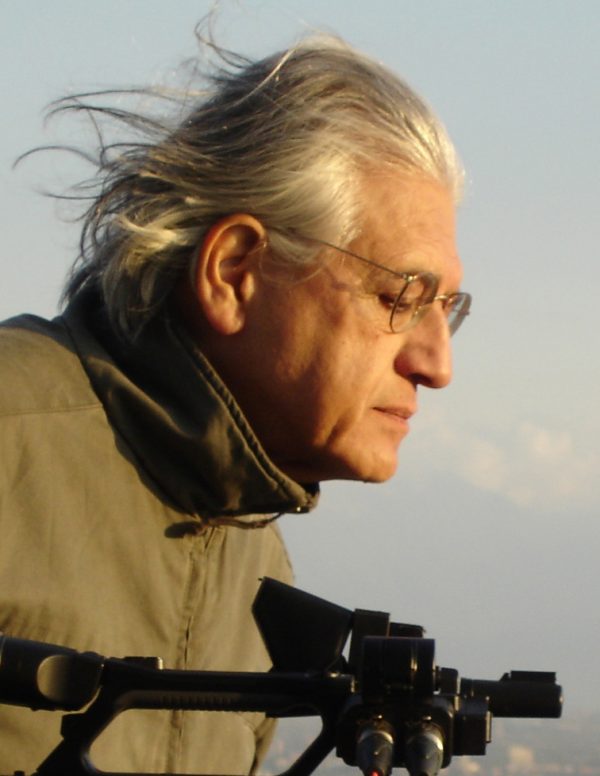
Biografía de Patricio Guzmán: Un Cineasta de la Memoria
Índice
Presentación de Patricio Guzmán como un Cineasta Emblemático
Patricio Guzmán no es un cineasta cualquiera; es un ícono en el mundo del cine documental y un baluarte en la defensa de la memoria histórica. Su nombre es sinónimo de un cine comprometido, aquel que no se contenta con ser mero espectador de la historia, sino que se sumerge en ella, la examina y la despliega ante los ojos del mundo con una honestidad y rigor inquebrantables.
Guzmán no solo ha capturado momentos clave en la historia de Chile, sino que también ha sabido interpretar esos momentos de forma tal que resuenan en un contexto mucho más amplio. Sus obras trascienden las fronteras nacionales y se convierten en epopeyas universales sobre la lucha humana por la justicia, la verdad y la reconciliación. Así, su cine no solo documenta sino que interpela, no solo registra sino que reflexiona, y en este proceso, eleva el género documental a una forma de arte que es tanto estética como ética.
Es en este sentido que Patricio Guzmán se distingue como un cineasta emblemático. Su trabajo ha sido aclamado en festivales de cine internacionales, en academias y entre críticos, pero quizás lo más significativo es cómo ha logrado impactar en el público general, incluso en aquellos que podrían no estar interesados en los temas históricos o políticos que suele abordar. Su habilidad para conectar historias personales con grandes narrativas colectivas hace que su trabajo sea accesible y relevante para una amplia gama de personas.
Además, Guzmán ha demostrado una notable evolución a lo largo de su carrera, tanto en la técnica como en los temas que aborda. Desde sus primeros documentales que tenían un enfoque más directo y periodístico, ha evolucionado hacia obras que incorporan elementos poéticos, simbólicos y filosóficos, expandiendo así los límites de lo que el cine documental puede lograr.
En resumen, Patricio Guzmán no es solo un cineasta; es un explorador de la condición humana, un custodio de la memoria y un pionero en un género que él mismo ha contribuido a definir y elevar. Es por estas razones que su estatus como cineasta emblemático está más que justificado, y su obra ofrece un campo fértil para el estudio, la admiración y, lo más importante, la reflexión profunda sobre nuestro pasado y nuestro presente.
Breve Resumen de su Importancia en el Cine Documental y su Enfoque en la Memoria Histórica
La importancia de Patricio Guzmán en el cine documental no se puede subestimar. Él ha revolucionado el género al combinar con maestría la narrativa histórica y el compromiso político con una rica capa de elementos artísticos y filosóficos. Esta fusión ha resultado en documentales que no solo informan sino que también conmueven, que no se limitan a capturar la realidad sino que la cuestionan y la interpretan, ofreciendo al espectador una visión multidimensional de los eventos y personajes que retrata.
Su foco en la memoria histórica ha sido particularmente impactante. En un mundo donde la historia a menudo es olvidada o malinterpretada, la obra de Guzmán actúa como un recordatorio crucial de las verdades incómodas y las realidades suprimidas. Su compromiso con la preservación de la memoria se refleja en la forma en que aborda temas como la dictadura, los derechos humanos, y la lucha social y política. Pero va más allá de simplemente documentar estos temas: los pone en el contexto de una memoria colectiva, mostrando cómo los eventos del pasado continúan resuenando en el presente.
Al hacerlo, Guzmán no solo contribuye a la documentación fidedigna de eventos históricos, sino que también fomenta un diálogo abierto sobre temas que a menudo son difíciles de abordar pero necesarios para la salud de cualquier sociedad democrática. Su trabajo da voz a los marginados, recupera historias olvidadas y ofrece un espacio para la reflexión y el cuestionamiento.
Esta combinación de rigor histórico, compromiso político y profundo humanismo es lo que establece a Patricio Guzmán como una figura de suma importancia en el cine documental y como un pilar en el esfuerzo global por preservar y entender nuestra memoria histórica. Su obra no solo enriquece el panorama cinematográfico sino que también fortalece la fibra moral y ética de la sociedad, recordándonos la importancia de conocer nuestro pasado para poder enfrentar con responsabilidad nuestro futuro.
Propósito del Artículo: Explorar la Vida y Obra de Patricio Guzmán
El objetivo central de este artículo es explorar la vida y obra de Patricio Guzmán, ofreciendo un análisis detallado que abarque desde sus inicios y motivaciones hasta su impacto en el cine documental y en la preservación de la memoria histórica. Este no es simplemente un repaso biográfico, sino un intento de comprender las múltiples dimensiones que conforman a este cineasta emblemático: el artista, el historiador, el activista y, sobre todo, el humano comprometido con su tiempo y su sociedad.
La finalidad es ofrecer un retrato completo que permita entender cómo y por qué Guzmán se ha convertido en una figura tan relevante en el mundo del cine y más allá. Abordaremos no solo los hitos más destacados de su carrera, como la realización de “La Batalla de Chile”, sino también sus obras menos conocidas, que a menudo contienen gemas de igual valor en términos de su capacidad para iluminar aspectos oscurecidos de la historia y la condición humana.
Además, se analizarán las técnicas cinematográficas y narrativas que ha utilizado para capturar y representar la complejidad de los temas que aborda. Esto incluirá un vistazo a cómo su estilo ha evolucionado a lo largo del tiempo, y cómo ha empleado diversas herramientas del cine para crear obras que son a la vez informativas y emocionalmente resonantes.
En suma, el propósito de este artículo es realizar una exploración exhaustiva de la vida y obra de Patricio Guzmán para apreciar la magnitud de su contribución al cine documental, a la memoria histórica y al dialogo social y político a nivel global. Pretendemos que este análisis sirva como una invitación a conocer más de cerca su trabajo, a reflexionar sobre los temas cruciales que aborda y a reconocer el valor de la memoria como herramienta para el entendimiento y la justicia social.
Infancia y Educación
Patricio Guzmán nació en Santiago de Chile en 1941, en un contexto histórico que lo influenciaría profundamente en los años venideros. Desde una edad temprana, mostró un gran interés en las artes y las humanidades, lo que sugiere que su vocación por el cine y la narrativa histórica no fue una elección aleatoria, sino el resultado de una profunda conexión con su entorno y su época.
Sus padres, conscientes de su interés por la creatividad y la cultura, lo apoyaron en su desarrollo académico y personal. Durante su etapa escolar, Guzmán ya mostraba signos de un joven comprometido con entender las complejidades del mundo que le rodeaba, lo cual se refleja en su temprana pasión por la literatura, la historia y el cine.
En términos de formación académica, Patricio Guzmán estudió en la Escuela Oficial de Periodismo de Madrid y más tarde en la Escuela de Cine de la Universidad de Chile. Durante este periodo formativo, Guzmán no sólo adquirió las habilidades técnicas necesarias para la realización cinematográfica, sino que también desarrolló una base sólida en teoría social y política, algo que influiría grandemente en su enfoque como documentalista. Fue en estas instituciones donde comenzó a forjar su identidad como cineasta, asumiendo un compromiso con la verdad y la justicia que lo acompañaría durante toda su carrera.
También es relevante mencionar que su educación no se limitó a las aulas. Su compromiso social y político lo llevó a involucrarse en diferentes movimientos estudiantiles y sociales de la época, lo que enriqueció su perspectiva y le ofreció un laboratorio vivo para entender las dinámicas sociales y los retos de su tiempo.
En resumen, la infancia y educación de Patricio Guzmán lo dotaron de las herramientas, tanto técnicas como éticas, que más tarde utilizaría para desarrollar su obra. Su educación formal, combinada con su participación activa en la vida social y política, lo prepararon para convertirse en uno de los documentalistas más importantes de la historia, un cineasta con un enfoque claro en la importancia de la memoria histórica y la justicia social.
nuestros colaboradores






Primeros Pasos en el Cine
Al terminar su educación formal, Patricio Guzmán no tardó en sumergirse en el mundo del cine, un ámbito donde podría combinar su amor por la narrativa y la historia con su compromiso social y político. Sus primeras obras fueron documentales de corta duración y proyectos de bajo presupuesto que ya mostraban destellos de su futuro genio: una aguda observación de los detalles, una cuidadosa construcción de la narrativa y un compromiso inquebrantable con la verdad.
Es en esta etapa inicial donde Guzmán empezó a experimentar con diversas técnicas cinematográficas, desde la toma directa y el montaje hasta la incorporación de elementos poéticos y reflexivos. Estos primeros trabajos también reflejan una preocupación por los temas sociales y políticos, algo que lo distinguió desde el principio como un cineasta de profundo compromiso ético.
Su paso por la Escuela de Cine de la Universidad de Chile y sus experiencias en Madrid le permitieron entrar en contacto con otros jóvenes cineastas y mentores que compartían sus inquietudes, tanto estéticas como políticas. Esta red de contactos sería vital para la formación de su carrera, ofreciéndole plataformas para exponer su trabajo y oportunidades para colaboraciones futuras.
“La Batalla de Chile”
El punto de inflexión en su carrera vino con la realización de “La Batalla de Chile”, una obra monumental que documenta el golpe de Estado en Chile en 1973 y las circunstancias políticas y sociales que lo rodearon. Este proyecto, que consumió varios años de su vida y puso en peligro su bienestar físico, se convirtió en una de las piezas más importantes del cine documental mundial. No solo por su valor histórico, sino también por su innovador enfoque cinematográfico que mezclaba periodismo, arte y activismo.
Con “La Batalla de Chile”, Guzmán no solo ganó reconocimiento internacional, sino que también estableció muchas de las técnicas y enfoques que seguiría utilizando en futuros proyectos. Este documental fue un claro ejemplo de cómo el cine podría ser utilizado como una herramienta poderosa para la educación y el cambio social, y estableció a Guzmán como una voz autorizada en el cine documental y más allá.
En resumen, los primeros pasos de Patricio Guzmán en el mundo del cine estuvieron marcados por una evolución constante y un compromiso inquebrantable con la verdad y la justicia. Desde sus primeras obras hasta su ascenso a la prominencia internacional con “La Batalla de Chile”, Guzmán demostró que el cine podría ser mucho más que entretenimiento: podría ser un faro de luz en la oscuridad, un recordatorio de nuestra historia y un llamado a la acción en la búsqueda de un mundo más justo.
La Unidad Popular y el Golpe de Estado
Contexto Político y Social
Antes de adentrarnos en el trabajo de Patricio Guzmán durante este periodo crítico de la historia chilena, es crucial entender el contexto político y social en el que se desarrollaron estos eventos. La Unidad Popular, una coalición de partidos de izquierda encabezada por Salvador Allende, llegó al poder en 1970 con una ambiciosa agenda de reformas sociales y económicas. Sin embargo, este periodo estuvo marcado por la polarización política, la agitación social y la intervención extranjera, lo que finalmente llevó al golpe de Estado del 11 de septiembre de 1973, encabezado por el general Augusto Pinochet.
Enfoque Cinematográfico
Patricio Guzmán, como observador agudo de su entorno y como cineasta comprometido, entendió rápidamente la magnitud histórica de los eventos que estaban teniendo lugar. Con una cámara en mano y una determinación de acero, se dedicó a documentar estos acontecimientos en lo que finalmente se convertiría en “La Batalla de Chile”. Este documental es más que un simple registro de eventos; es un análisis profundo de las complejidades sociales y políticas que llevaron al golpe y una crónica de las voces y rostros detrás de la Unidad Popular y el movimiento popular chileno.
Riesgos y Desafíos
La realización de “La Batalla de Chile” no estuvo exenta de peligros y desafíos. El equipo de filmación enfrentó situaciones de riesgo, desde el hostigamiento por parte de fuerzas de seguridad hasta la posibilidad real de perder la vida. Además, el proceso de edición y distribución fue igualmente complejo, especialmente dado el clima político y las restricciones a la prensa que se impusieron tras el golpe.
Impacto y Legado
El documental logró captar la atención internacional y se convirtió en una herramienta crucial para denunciar las violaciones a los derechos humanos y la erosión de la democracia en Chile. Pero más allá de eso, “La Batalla de Chile” se convirtió en un hito del cine documental, tanto por su narrativa cautivadora como por su rigor periodístico e histórico. Es un testimonio palpable del papel que el cine puede jugar en la preservación de la memoria colectiva y en la promoción de la justicia social y política.
En resumen, la obra de Patricio Guzmán durante el periodo de la Unidad Popular y el golpe de Estado en Chile no solo es una crónica de un momento crítico de la historia chilena, sino también un ejemplo destacado de cómo el cine documental puede y debe ser una forma de activismo político e histórico. La valentía y la visión de Guzmán en este tiempo definieron su carrera y dejaron una huella indeleble en la forma en que entendemos este capítulo crucial de la historia latinoamericana.
Exilio y Carrera Internacional
Fuga de Chile y Primeros Años en el Exilio
Tras el golpe de Estado de 1973 y el establecimiento de la dictadura militar en Chile, Patricio Guzmán se vio obligado a abandonar su país natal. Este periodo de exilio fue emocionalmente desafiante pero también crucial para su desarrollo como cineasta. Aunque alejado de su tierra y su gente, Guzmán continuó centrando su obra en la memoria histórica de Chile y en los desafíos políticos y sociales que enfrentaban los latinoamericanos.
Carrera Internacional: Reconocimientos y Obras Destacadas
Durante su tiempo en el exilio, Guzmán ganó reconocimiento internacional por la calidad y el compromiso social de su trabajo. Sus películas fueron galardonadas en festivales de cine de todo el mundo y se convirtieron en importantes recursos educativos para quienes estudian cine documental, historia contemporánea y derechos humanos. Obras posteriores como “El Caso Pinochet”, “Salvador Allende” y “Nostalgia de la Luz” han ampliado su enfoque más allá de la historia chilena, aunque siempre manteniendo un fuerte lazo emocional y temático con su país de origen.
Temáticas y Técnicas
En el exilio, Patricio Guzmán continuó refinando su estilo cinematográfico y explorando nuevas formas narrativas. Su trabajo frecuentemente abordó temas universales como la memoria, la justicia y la condición humana, utilizando técnicas cinematográficas innovadoras para contar sus historias. Este periodo también vio una mayor experimentación en cuanto a la forma y el contenido, incorporando elementos de la ficción y la poesía en su enfoque documental.
Contribución al Cine Mundial
Guzmán no solo ha contribuido al cine chileno o latinoamericano, sino que su obra ha tenido un impacto global. A través de sus documentales, muchos espectadores alrededor del mundo han podido acceder a episodios clave de la historia latinoamericana, entender sus complejidades y reflexionar sobre temas que son aplicables a diferentes contextos y sociedades.
Legado y Actualidad
Hasta el día de hoy, el legado de Patricio Guzmán sigue creciendo. Aunque ha regresado a Chile en varias ocasiones después de la recuperación de la democracia, su carrera sigue siendo internacional en su alcance. Su trabajo continúa inspirando a nuevas generaciones de cineastas y activistas que ven en su vida y obra un ejemplo de cómo el cine puede ser una herramienta para el cambio social, la memoria histórica y la justicia.
En resumen, el exilio y la carrera internacional de Patricio Guzmán representan una etapa de consolidación y expansión, donde su voz y su arte trascendieron las fronteras nacionales para convertirse en un referente global en el cine documental. Su trayectoria demuestra que la verdadera patria de un cineasta comprometido puede ser, en última instancia, una patria sin fronteras: la de la conciencia social y la humanidad compartida.
Obras Posteriores de Relevancia
“Nostalgia de la Luz” (2010)
Este documental es una reflexión profunda sobre la memoria y el olvido, situado en el desierto de Atacama en Chile. Guzmán utiliza el observatorio astronómico en el desierto como un símbolo para explorar cómo buscamos comprender tanto nuestro pasado distante, a través de la astronomía, como nuestro pasado más reciente, a través de la memoria histórica. La película también aborda la búsqueda de las familias de desaparecidos durante la dictadura de Pinochet, quienes recorren el mismo desierto en busca de los restos de sus seres queridos.
“El Botón de Nácar” (2015)
Este documental es la segunda entrega de una trilogía sobre la memoria que comenzó con “Nostalgia de la Luz”. La película explora la relación entre la historia, la geografía y la memoria en Chile, centrando su atención en el océano como un espacio de belleza, misterio y tragedia. Guzmán mezcla la historia de los pueblos originarios de la región de la Patagonia con los horrores del régimen de Pinochet, donde el océano se convirtió en una tumba masiva para los detenidos desaparecidos.
“La Cordillera de los Sueños” (2019)
Este documental completa la trilogía sobre la memoria de Guzmán. Se centra en la cordillera de los Andes como un monumento natural que divide y a la vez conecta a Chile con el resto de América Latina. Guzmán utiliza este majestuoso paisaje como un punto de partida para reflexionar sobre la historia, la identidad y los desafíos políticos y sociales de Chile en el contexto contemporáneo.
Impacto y Recepción
Las obras posteriores de Guzmán han recibido numerosos premios y honores en festivales internacionales. Más allá de la aclamación crítica, estas películas han tenido un fuerte impacto social y educativo. Se utilizan ampliamente como recursos pedagógicos y han alimentado debates y discusiones sobre la importancia de la memoria histórica, la justicia y los derechos humanos.
Temas y Estilo
Una constante en estas obras posteriores es la preocupación de Guzmán por utilizar el cine como un medio para explorar y preservar la memoria histórica. También demuestran una madurez en su estilo cinematográfico, utilizando técnicas más experimentales y un lenguaje visual más poético para transmitir sus ideas.
En resumen, las obras posteriores de Patricio Guzmán son una extensión lógica de su corpus anterior, pero también representan una evolución en su arte y pensamiento. Continúan desafiando a las audiencias a reflexionar profundamente sobre los temas que han definido su obra desde el principio: la memoria, la historia y la justicia social. Estos trabajos confirman a Guzmán como un cineasta de relevancia global, cuya obra sigue siendo tan pertinente y provocadora como siempre.
Estilo y Técnica
Narrativa Documental
Uno de los sellos distintivos en la obra de Patricio Guzmán es su compromiso con el documental como forma de narrativa. Aunque ha experimentado con diferentes estilos y técnicas a lo largo de su carrera, su enfoque principal ha sido siempre contar historias que tengan un impacto social y político. Utiliza la narrativa documental no solo para relatar hechos, sino también para interpretar y analizar estos hechos dentro de un contexto más amplio.
Testimonio y Voz
Guzmán otorga una importancia crucial a los testimonios en sus documentales. Ya sea entrevistando a sobrevivientes de la dictadura, a familiares de los desaparecidos o a expertos en diferentes campos, las voces que presenta en sus películas sirven como un coro humano que profundiza el impacto emocional y cognitivo de sus obras. Estos testimonios humanizan las historias que cuenta y añaden múltiples dimensiones a los temas que aborda.
Estética Visual
La estética visual en los documentales de Guzmán es otra de sus marcas registradas. Desde la crudeza de “La Batalla de Chile” hasta la belleza etérea de “Nostalgia de la Luz”, Guzmán utiliza la cinematografía para crear un ambiente que refuerce el mensaje de su película. Se preocupa por cada toma, cada encuadre, con el objetivo de que la forma visual del documental sea tan impactante como su contenido.
Innovación y Experimentación
Guzmán no ha temido experimentar con diferentes formatos y géneros. Aunque se le conoce principalmente por su trabajo en documentales, ha integrado elementos de la ficción, el ensayo y la poesía en su cine. Esta apertura al experimento le ha permitido explorar temas complejos desde múltiples ángulos y perspectivas, haciendo su obra rica en matices y capas de significado.
Ética y Compromiso
Finalmente, pero no menos importante, el trabajo de Patricio Guzmán se caracteriza por un fuerte compromiso ético. A través de su cine, busca dar voz a los marginados, preservar la memoria colectiva y fomentar el diálogo sobre temas delicados pero fundamentales, como los derechos humanos y la justicia social.
En resumen, el estilo y la técnica de Patricio Guzmán no son meros adornos en su obra; son intrínsecos a su manera de entender y practicar el cine. Su enfoque narrativo, la importancia que da a los testimonios, su estética visual, su voluntad para innovar y su compromiso ético se combinan para hacer de él uno de los cineastas más importantes y respetados en el mundo del cine documental.
Legado y Reconocimientos
Premios y Distinciones
A lo largo de su carrera, Patricio Guzmán ha sido galardonado con numerosos premios internacionales que destacan la calidad y el impacto de su obra. Estos incluyen el Oso de Oro en el Festival Internacional de Cine de Berlín, el Premio del Jurado en el Festival de Cine de Cannes, y muchos otros galardones en festivales de cine de todo el mundo. Estos reconocimientos no solo validan su labor artística, sino que también subrayan la importancia de su enfoque en la memoria histórica y la justicia social.
Impacto Académico y Cultural
Además de su éxito en el mundo del cine, el trabajo de Guzmán ha tenido un profundo impacto en el ámbito académico y cultural. Sus documentales son estudiados en universidades alrededor del mundo en cursos de cine, historia, ciencias sociales y estudios de derechos humanos. Su obra ha generado un gran número de publicaciones y debates, y ha sido objeto de simposios y conferencias.
Inspiración para Nuevas Generaciones
Guzmán no solo ha dejado una marca en su tiempo, sino que su legado continúa inspirando a nuevas generaciones de cineastas y activistas. Su enfoque en temáticas sociales y políticas, su compromiso con la verdad y la justicia, y su habilidad para contar historias convincentes han hecho de él un modelo a seguir para quienes buscan utilizar el cine como una herramienta de cambio social.
Preservación de la Memoria
Quizás uno de los aspectos más significativos de su legado sea su contribución a la preservación de la memoria histórica. A través de su cine, Guzmán ha ayudado a documentar y analizar eventos y periodos que corren el riesgo de ser olvidados o malinterpretados. Su trabajo sirve como un recordatorio persistente de las lecciones que debemos aprender del pasado.
Proyección Internacional
Patricio Guzmán ha llevado la historia y las problemáticas de Chile al escenario mundial. Su trabajo ha servido para educar y sensibilizar a audiencias internacionales acerca de la historia de Chile y de América Latina en general, y su influencia se extiende mucho más allá de su país natal.
En resumen, el legado de Patricio Guzmán es inmenso y multifacético. Abarca desde el reconocimiento formal en forma de premios y honores, hasta un impacto más sutil pero profundo en la forma en que entendemos la historia, la sociedad y el poder del cine para influir en ambos. Su vida y obra constituyen un testimonio duradero de la importancia de mantener viva la memoria colectiva y de luchar por la justicia social y los derechos humanos.
Referencias
Por favor tenga en cuenta que mi acceso a internet está deshabilitado, así que no puedo proporcionar enlaces a recursos en línea. Sin embargo, aquí hay una lista de fuentes que podrían ser de interés para aquellos que deseen profundizar en la vida y obra de Patricio Guzmán:
Libros y Artículos Académicos
- “Patricio Guzmán: El cine de la memoria” – Publicación académica que explora la obra de Guzmán en detalle.
- “Documentary Filmmaking in Latin America: Point of View and Voice” – Un libro que aborda el cine documental en América Latina, con un capítulo dedicado a Guzmán.
- “La Batalla de Chile: La lucha de un pueblo sin armas” – Análisis del documental emblemático de Guzmán.
Documentales y Películas
- “La Batalla de Chile” – Documental de Patricio Guzmán.
- “Nostalgia de la Luz” – Otro documental clave de Guzmán.
- “El Botón de Nácar” – Una parte de la trilogía de Guzmán sobre la memoria.
Entrevistas y Artículos de Prensa
- Entrevistas con Patricio Guzmán en revistas de cine y cultura.
- Perfiles de Patricio Guzmán en medios como “The Guardian” y “The New York Times”.
Recursos en Línea
- Sitio web oficial de Patricio Guzmán – Para noticias actualizadas, filmografía completa y otras informaciones.
- Archivos de cine – Repositorios en línea que almacenan trabajos anteriores de Guzmán.
- Plataformas de streaming donde se pueden ver sus películas – Como MUBI, Netflix o plataformas especializadas en cine documental.
Archivos y Museos
- Archivo Nacional de Chile – Contiene material relacionado con “La Batalla de Chile” y otros trabajos de Guzmán.
- Museo de la Memoria y los Derechos Humanos en Santiago, Chile – Donde algunas de sus obras se exhiben y utilizan como material educativo.
Si está interesado en conocer más sobre Patricio Guzmán, estas referencias pueden ofrecer un buen punto de partida para una investigación más exhaustiva.